

Blog
February marks American Heart Month, making it the perfect time to shine a spotlight on your heart — the hardworking muscle responsible for keeping every part of your body functioning. Even though heart disease remains the leading cause of death in the United States, many of its risks can be lowered or managed through healthy habits and early intervention. Unfortunately, outdated beliefs and misunderstandings often prevent people from taking the steps they need to protect themselves. Below, we break down some widespread myths so you can make informed choices about your heart health.
Myth #1: “Heart issues only happen when you’re older.”
Fact:
Heart health affects people of all ages. Plaque can begin forming inside the arteries surprisingly early — sometimes even during childhood. With conditions like obesity and Type 2 diabetes increasing among younger adults, building heart-healthy habits early on is more important than ever. Routine exercise, nutritious eating, and avoiding tobacco can help set the stage for long-term cardiovascular wellness.
Myth #2: “I’d definitely know if I had high blood pressure.”
Fact:
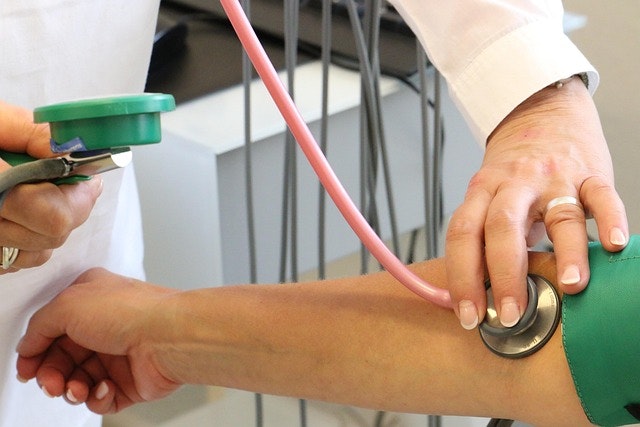
High blood pressure has earned the nickname “the silent killer” for a reason. It usually doesn’t cause noticeable symptoms, yet it can steadily harm your arteries and vital organs over time. The only dependable way to monitor your blood pressure is through regular checks. Many pharmacies provide free self-serve machines, and your healthcare provider can include readings during your standard appointments.
Myth #3: “Only men need to worry about heart disease.”
Fact:
Heart disease is the top cause of death for both men and women. However, the warning signs don’t always look the same. While chest pain is a common signal for men, women may experience different or more subtle symptoms — like nausea, difficulty breathing, or discomfort in the jaw, back, or neck. Recognizing these distinct signs can empower women to get medical attention sooner and improve their chances of recovery.
Myth #4: “If heart disease runs in my family, there’s nothing I can do.”
Fact:
Genetics do influence your risk, but they don’t dictate your future. Even if you have a family history of heart issues, adopting healthy habits can significantly lower your chances of developing problems. Prioritizing nutritious foods, maintaining a healthy weight, managing stress, and steering clear of smoking can all make a meaningful difference in your heart health, regardless of your genetic background.
Myth #5: “After a heart event, I should avoid physical activity.”
Fact:
In many cases, exercise — when approved by your doctor — is an important part of recovery. Cardiac rehabilitation programs are designed specifically to help people regain strength safely after a heart event. While it’s essential to follow your doctor’s guidance before starting or restarting an activity routine, movement often plays a crucial role in healing and building resilience.
Practical Steps to Support Your Heart
The American Heart Association estimates that up to 80% of heart disease cases can be prevented. Here are several ways to take control of your cardiovascular health:
- Stay up-to-date on screenings for cholesterol, blood pressure, and blood sugar.
- Choose meals centered around fruits, vegetables, lean proteins, and wholesome fats.
- Commit to at least 150 minutes of moderate exercise each week.
- Avoid tobacco — quitting can reduce your heart attack risk by half in just a year.
- Find healthy outlets for stress, whether through hobbies, prayer, mindfulness, or relaxation techniques.
Insurance and Preventive Care Benefits
Many insurance plans cover a wide range of preventive services — such as wellness visits, cholesterol panels, and blood pressure checks — at no out-of-pocket cost. Some plans even offer additional support like nutrition counseling or programs to help you quit smoking. Using these benefits can help you stay ahead of potential issues and catch concerns before they escalate.
Final Thoughts
While heart disease is a serious condition, much of it is preventable with awareness and consistent habits. As we celebrate American Heart Month, take a moment to review your health numbers, set up a screening, or choose one manageable change that benefits your heart. These small, steady efforts can create a healthier future — one step at a time.

National Wellness Month: Understanding Employee Health Coverage

Smart Early Planning Tips for Medicare AEP

Understanding Medicare Coverage During Summer Travel

Strategies To Improve Your Group Health Cost‑To‑Coverage Ratio

June Oral Health Month: A Smart Time To Reevaluate Dental Benefits

Medicare and Vision Care: Coverage Basics Explained

Supporting Employee Mental Health in the Workplace
Pre-Summer Preventive Care Guide

Life Insurance and Financial Literacy: Key Insights to Know

Smart Add-On Coverage Options to Strengthen Your Health Insurance
Read more
Heart Health Myths Debunked: What to Know This American Heart Month

Term Life Insurance: A Guide for New and Existing Policyholders

End-of-Year Life Insurance Checkup: Is Your Coverage Still Right?

ACA Open Enrollment: Key Dates You Need to Know

Don't Miss Out: Use Unused Benefits by 2026

The Real Role of Life Insurance Simplified

September: Prostate and Ovarian Cancer Awareness Month

The Psychology Behind Underinsurance: Navigating the Mind's Barriers
Read more
National Eye Exam Month: Focus on Eye Health in August

The Hidden Benefits of Life Insurance Beyond the Obvious
Read more
Skin Cancer Screenings and What Medicare Covers

Safeguard Your Finances with Medical Bridge Coverage

Determining the Right Amount of Life Insurance

Explore Your Vision Insurance Options for May
Read more
Understanding Obamacare and ACA Open Enrollment